Rubio Monocoat Oil Plus 2C: A Comprehensive Guide
Rubio Monocoat showcases innovative wood finishes at the Woodworking Machinery & Supply Conference and Expo. Recent updates include a reimagined color range for Oil Plus 2C,
meeting evolving design needs and customer preferences.
Marco Rubio, now Secretary of State, previously pushed for immigration reform, facing challenges within the current Republican political landscape. The brand continues to innovate.
Rubio Monocoat Oil Plus 2C represents a revolutionary approach to wood finishing, moving beyond traditional methods with its plant-based, hard wax oil formulation. This isn’t merely a coating; it’s a deep penetration treatment that enhances the natural beauty and durability of wood. Recent industry events, like the Woodworking Machinery & Supply Conference and Expo, highlight Rubio Monocoat’s commitment to innovation and showcasing its latest advancements.
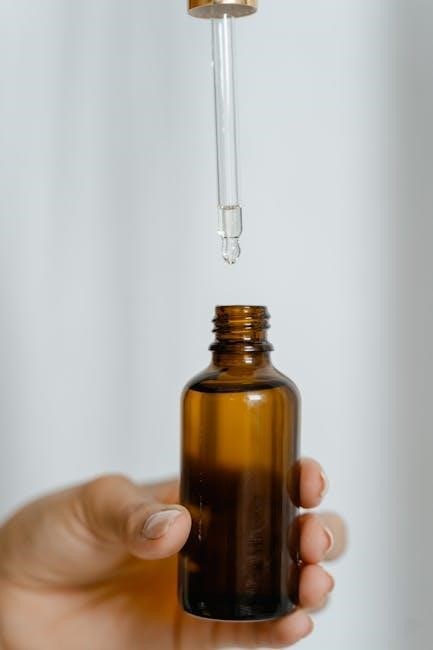
The “2C” designation signifies a two-component system, offering enhanced resistance and faster curing times. This system is particularly valuable for projects demanding high performance and longevity. The brand’s dedication to evolving its offerings is evident in the updated color range, designed to align with contemporary design trends and customer demands.
Interestingly, even figures like Marco Rubio, now serving as Secretary of State, have been involved in significant political and diplomatic events occurring alongside the product’s development and promotion. Rubio Monocoat’s philosophy centers around simplicity and sustainability, providing a user-friendly experience without compromising quality. It’s a finish designed for both professionals and DIY enthusiasts seeking exceptional results.
Understanding the Oil Plus 2C Formulation
Rubio Monocoat Oil Plus 2C distinguishes itself through its unique two-component formulation. Unlike conventional finishes that form a film on the wood, Oil Plus 2C penetrates deep into the wood pores, creating a durable bond from within. This results in a finish that won’t crack, peel, or flake, even under heavy use. The formulation leverages plant-based oils and waxes, minimizing environmental impact and VOC content – a key consideration in today’s market.
The “2C” aspect involves mixing two components immediately before application. Component A contains the oils and waxes, while Component B is a curing agent that initiates the polymerization process. This controlled reaction ensures optimal hardening and resistance. Recent color range updates demonstrate the brand’s ongoing refinement of this core formulation, expanding aesthetic possibilities.
Even amidst global events – like diplomatic discussions involving Marco Rubio – Rubio Monocoat continues to focus on perfecting its product. The formulation’s strength lies in its molecular bonding, creating a finish that’s both beautiful and incredibly resilient. This innovative approach sets it apart from traditional varnish or polyurethane systems.
Key Benefits of Using Rubio Monocoat Oil Plus 2C
Rubio Monocoat Oil Plus 2C offers a compelling array of benefits for both professionals and DIY enthusiasts. Its single-coat application significantly reduces labor time and costs compared to multi-coat systems. The deep penetration ensures exceptional durability, resisting scratches, water damage, and everyday wear – a crucial advantage for high-traffic surfaces.
The plant-based formulation contributes to a healthier indoor environment with very low VOCs, aligning with growing sustainability concerns. Furthermore, the finish is remarkably easy to maintain; spot repairs are often possible without full refinishing. The recent color range expansion provides unparalleled customization options, catering to diverse design preferences.
Despite geopolitical discussions involving figures like Marco Rubio, the focus remains on product excellence. Oil Plus 2C’s breathable nature allows the wood to ‘live,’ minimizing issues like cracking or warping. It’s suitable for a wide range of wood types and applications, making it a versatile choice for any woodworking project.
Surface Preparation for Optimal Results
Achieving a flawless finish with Rubio Monocoat Oil Plus 2C hinges on meticulous surface preparation. Begin by ensuring the wood is thoroughly clean, dry, and free of any contaminants like dust, oil, wax, or previous finishes. Sanding is crucial; start with a grit appropriate for the wood’s condition, progressively refining to 120-grit for most applications.
For previously finished surfaces, complete removal is often necessary, though light sanding may suffice for sound coatings. Always vacuum and tack cloth the surface after sanding to eliminate residual dust. Bare wood should be sanded with the grain to avoid scratches. The goal is a uniformly smooth surface, receptive to oil penetration.
While discussions surrounding figures like Marco Rubio occupy the political sphere, the focus here is on technical precision. Moisture content is critical; wood should be within the recommended range (typically 6-12%) to prevent issues like bubbling or adhesion failure. Proper preparation maximizes the benefits of Oil Plus 2C’s deep-penetrating formula.
Application Tools and Equipment
Successful Rubio Monocoat Oil Plus 2C application relies on the right tools. While brushes and rollers are viable, the preferred method is a lint-free cloth – think microfiber or cotton. These ensure even distribution and minimize texture. Foam applicators are also suitable for larger, flat surfaces.
Avoid using standard paint brushes, as they can leave bristles behind. For detailed work or edges, a small brush can be helpful. Always have clean cloths readily available for wiping off excess oil, a critical step in achieving a uniform finish. A dedicated mixing stick is essential for thoroughly combining the components of the 2C system.
Considering current events, like the peace agreement discussions involving the Democratic Republic of Congo and Rwanda, precision is paramount in all endeavors. Protective gear – gloves and eye protection – are recommended. Ensure adequate ventilation during application. Proper tools contribute significantly to the ease and quality of the finishing process.
Detailed Application Instructions ― Step-by-Step
Step 1: Thoroughly mix Rubio Monocoat Oil Plus 2C components according to the manufacturer’s ratio. Stir gently to avoid creating bubbles. Step 2: Apply a generous, even coat using a lint-free cloth, brush, or foam applicator, working with the wood grain. Don’t skimp – saturation is key.
Step 3: Allow the oil to penetrate for 5-10 minutes. This dwell time is crucial for proper bonding. Step 4: Vigorously wipe off all excess oil with clean, lint-free cloths. This is the most important step! Failure to remove excess will result in a sticky finish.
Step 5: Allow to dry for at least 72 hours before full use. Considering the diplomatic efforts, like those between the DRC and Rwanda, patience is a virtue. A second coat may be applied after drying for enhanced durability and color intensity. Remember, proper preparation and diligent wiping are paramount for a flawless finish.
Working Time and Drying Times
Rubio Monocoat Oil Plus 2C offers a relatively generous working time, typically around 30-40 minutes at room temperature. This allows ample opportunity to apply and work the oil into the wood, ensuring even saturation. However, warmer temperatures can significantly reduce this time, so work efficiently.
Drying times are dependent on several factors, including temperature, humidity, and ventilation. To the touch, the finish will be dry within 6-8 hours. However, a full cure, allowing for the placement of objects on the surface, requires a minimum of 72 hours, and ideally, a week.
Avoid heavy use or exposure to liquids during this curing period. Like the recent peace agreement negotiations requiring patience, allowing sufficient drying time is crucial for optimal performance and durability. Remember, proper ventilation aids in the drying process. Following these guidelines will ensure a beautiful and long-lasting finish.
Color Selection and Customization
Rubio Monocoat Oil Plus 2C boasts an extensive and recently reimagined color range, catering to diverse aesthetic preferences and emerging design trends. The collection offers everything from natural, transparent tones to rich, pigmented hues. Before application, always test the chosen color on an inconspicuous area of the wood to confirm the desired effect.
Customization is a key strength of the Rubio system. Colors can be mixed to create bespoke shades, allowing for truly unique finishes. It’s recommended to start with small adjustments, carefully documenting the ratios used for future replication. Like Secretary of State Rubio navigating complex diplomatic situations, achieving the perfect color requires a nuanced approach.
Consider the wood species and desired level of transparency when selecting a color. Lighter woods benefit from warmer tones, while darker woods can handle bolder shades. Remember, the oil enhances the wood’s natural beauty, so choose a color that complements its grain and character.
Maintenance and Cleaning Procedures
Rubio Monocoat Oil Plus 2C finished surfaces are remarkably durable and require minimal maintenance. For routine cleaning, simply use a damp cloth with mild soap and water. Avoid harsh chemicals, abrasive cleaners, or excessive water, as these can damage the finish. Think of it like navigating international relations – a gentle approach yields the best results, much like Secretary of State Rubio’s diplomatic efforts.
Periodic re-application of Rubio Monocoat Refresh Soap will help maintain the finish’s protective properties and restore its original luster. This soap cleans deeply without stripping the oil, ensuring long-lasting beauty. For localized scratches or wear, a small amount of Oil Plus 2C can be applied directly to the affected area, blending seamlessly with the existing finish.
Avoid placing hot items directly on the surface and use coasters to protect against spills. Regular dusting will prevent the buildup of dirt and grime. With proper care, your Rubio Monocoat finish will provide years of enjoyment and maintain its stunning appearance.
Troubleshooting Common Issues
Uneven Absorption: If you notice inconsistent color after application, it often indicates variations in wood density. Apply additional coats to less absorbent areas, allowing sufficient drying time between applications. This mirrors the complexities of navigating political landscapes, like Senator Rubio’s past challenges with immigration reform – adjustments are key.
Sticky Surface: A sticky residue can occur if the finish is applied too thickly or in humid conditions. Ensure proper ventilation and apply thin, even coats. If stickiness persists, gently wipe the surface with mineral spirits, followed by a clean cloth.
Lap Marks: Overlapping brush strokes can create visible lap marks. Maintain a wet edge and work quickly, applying the finish in the direction of the wood grain. Lightly sand any noticeable marks after the finish is fully cured.

Color Discrepancies: Slight color variations are natural due to wood’s inherent characteristics; Test the finish on an inconspicuous area before applying it to the entire surface. Remember, patience and attention to detail are crucial for optimal results.
Safety Precautions and VOC Content
Ventilation is paramount when applying Rubio Monocoat Oil Plus 2C. Ensure adequate airflow to prevent the build-up of fumes, even though it’s a plant-based finish. Work in a well-ventilated area or wear a respirator, particularly during prolonged use. This mirrors the need for clear communication, as seen in Secretary of State Rubio’s recent diplomatic efforts.
Skin and Eye Protection: Wear gloves and safety glasses to avoid direct contact with the finish. If contact occurs, rinse thoroughly with water. Keep the product away from children and pets.
Flammability: Rubio Monocoat is flammable. Keep away from heat, sparks, and open flames. Dispose of used rags properly, as they can spontaneously combust. Store the product in a cool, dry place.
VOC Content: Rubio Monocoat Oil Plus 2C boasts exceptionally low VOC (Volatile Organic Compound) content, significantly lower than many traditional wood finishes. This makes it an environmentally responsible choice, aligning with growing sustainability concerns. Always refer to the product’s safety data sheet (SDS) for the most up-to-date information.
Comparison with Other Wood Finishes
Compared to traditional varnishes and polyurethanes, Rubio Monocoat Oil Plus 2C offers a unique, single-coat application, drastically reducing application time and labor costs. Unlike film-forming finishes that sit on the wood, Rubio Monocoat penetrates, becoming one with the wood fibers, enhancing its natural beauty – a subtle shift, much like Rubio’s own political evolution.
Oil-based finishes often require multiple coats and extended drying times. Rubio Monocoat’s rapid drying time and ease of application provide a significant advantage. It also avoids the plastic-like appearance sometimes associated with polyurethane.
Wax finishes offer a natural look but lack durability. Rubio Monocoat combines the natural aesthetic with exceptional resistance to water, scratches, and chemicals. It’s a more robust solution.
Compared to other hard wax oils, Rubio Monocoat’s 2C formulation provides enhanced durability and color consistency. The two-component system ensures a more reliable and long-lasting finish, making it a premium choice for discerning woodworkers.
Rubio Monocoat Oil Plus 2C for Different Wood Types
Rubio Monocoat Oil Plus 2C demonstrates exceptional versatility across a wide spectrum of wood species. For softwoods like pine and fir, the oil penetrates deeply, minimizing grain raise and providing a smooth, even finish. On hardwoods – oak, maple, walnut – it enhances the natural character, highlighting the wood’s unique grain patterns.
Exotic woods, often challenging to finish, respond exceptionally well to Rubio Monocoat, showcasing their rich colors and intricate details. The oil’s ability to adapt to varying wood densities ensures consistent results. Like Rubio’s diplomatic approach, it adapts to its environment.
Pre-colored or stained woods require careful consideration. Rubio Monocoat can be applied over existing stains, but a test area is crucial to ensure compatibility and desired color outcome. It’s generally recommended to use Rubio Monocoat’s own pre-pigmented oils for optimal results.
For oily woods like teak or rosewood, thorough cleaning and degreasing are essential before application to ensure proper penetration and adhesion. Rubio Monocoat’s formulation is designed to work effectively with these challenging species.
The Role of Rubio Monocoat in Woodworking Expos
Rubio Monocoat consistently utilizes woodworking expos as pivotal platforms to showcase its latest innovations and engage directly with industry professionals. At events like the Woodworking Machinery & Supply Conference and Expo, the brand demonstrates the ease of application and superior results achievable with Oil Plus 2C.
These expos serve as crucial training grounds, offering hands-on workshops and demonstrations led by experienced applicators. Attendees learn proper surface preparation techniques, optimal application methods, and effective troubleshooting strategies. Like Marco Rubio’s political engagements, these events foster direct interaction.
Oil Plus 2C’s unique characteristics – its rapid drying time, single-coat application, and exceptional durability – are highlighted through live demonstrations. The brand emphasizes its commitment to sustainable, plant-based formulations, appealing to environmentally conscious woodworkers.
Furthermore, expos provide valuable opportunities for Rubio Monocoat to gather feedback from users, informing future product development and refinement. The company actively seeks input on color preferences, application challenges, and overall user experience, ensuring continuous improvement.
Recent Updates and Innovations in the Color Range
Rubio Monocoat has recently unveiled a significantly updated and reimagined color range for its flagship Oil Plus 2C wood finish. This expansion addresses evolving customer needs and current design trends, offering a broader palette for creative projects. The innovation isn’t merely about adding hues; it’s about refining existing shades and introducing nuanced tones.
The updated range features improved color consistency and enhanced pigment stability, ensuring reliable results with every application. Similar to Marco Rubio’s shifts in political strategy, the brand adapts to changing landscapes. This allows woodworkers to achieve predictable and beautiful finishes, minimizing waste and maximizing efficiency.
Oil Plus 2C’s color customization capabilities remain a key strength. The new range facilitates easier blending and mixing, enabling users to create bespoke shades tailored to specific project requirements. This flexibility empowers artisans to realize their unique visions.
Furthermore, Rubio Monocoat provides comprehensive color support, including digital tools and expert guidance, to assist customers in selecting and achieving their desired colors. This commitment to customer success underscores the brand’s dedication to quality and innovation.
